
Tomas de Bruyne - Interview
Découvrez Tomas de Bruyne dans cette interview exclusive
People may forget the individual flowers, but they will remember how that experience made them feel.
Tomas de Bruyne
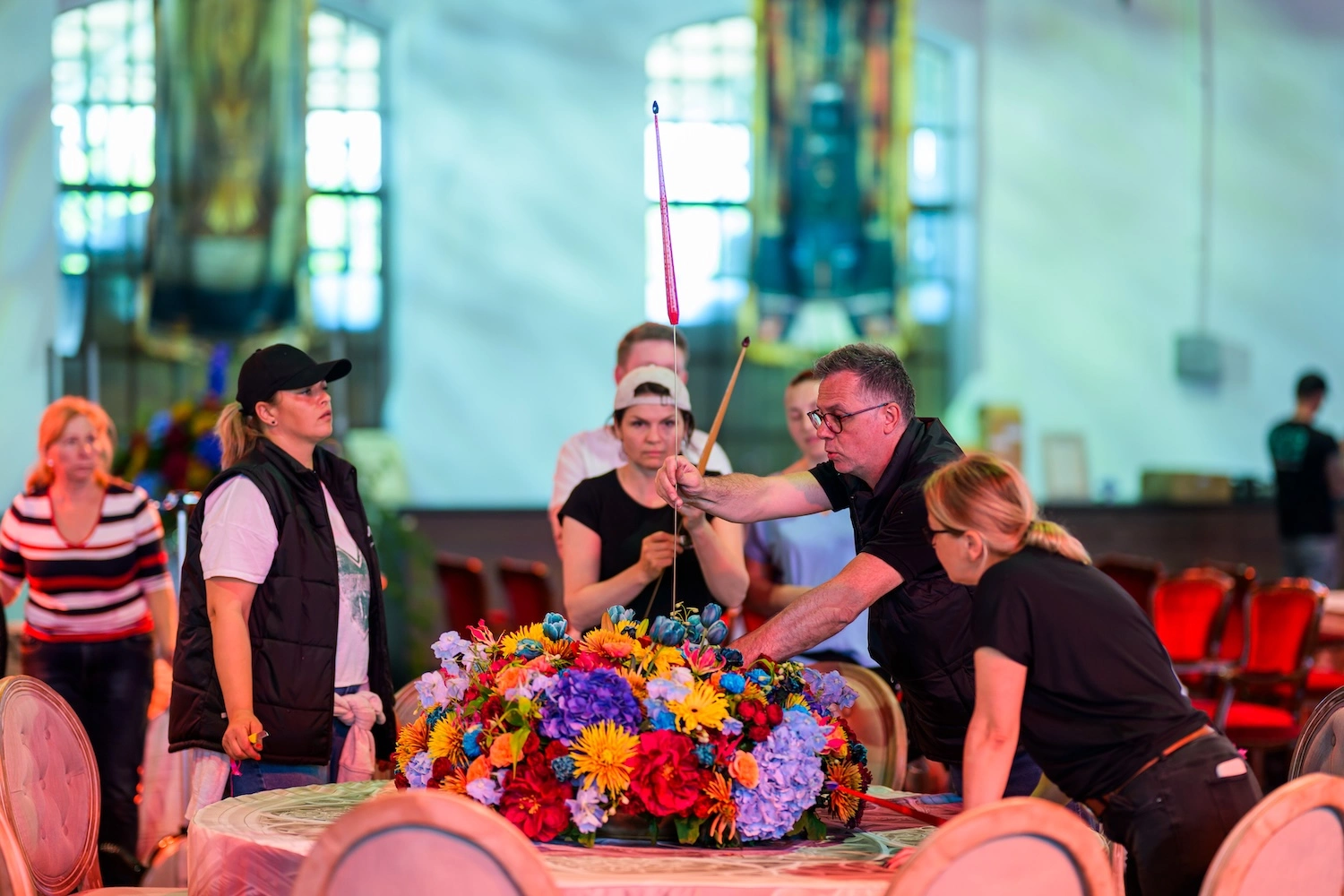
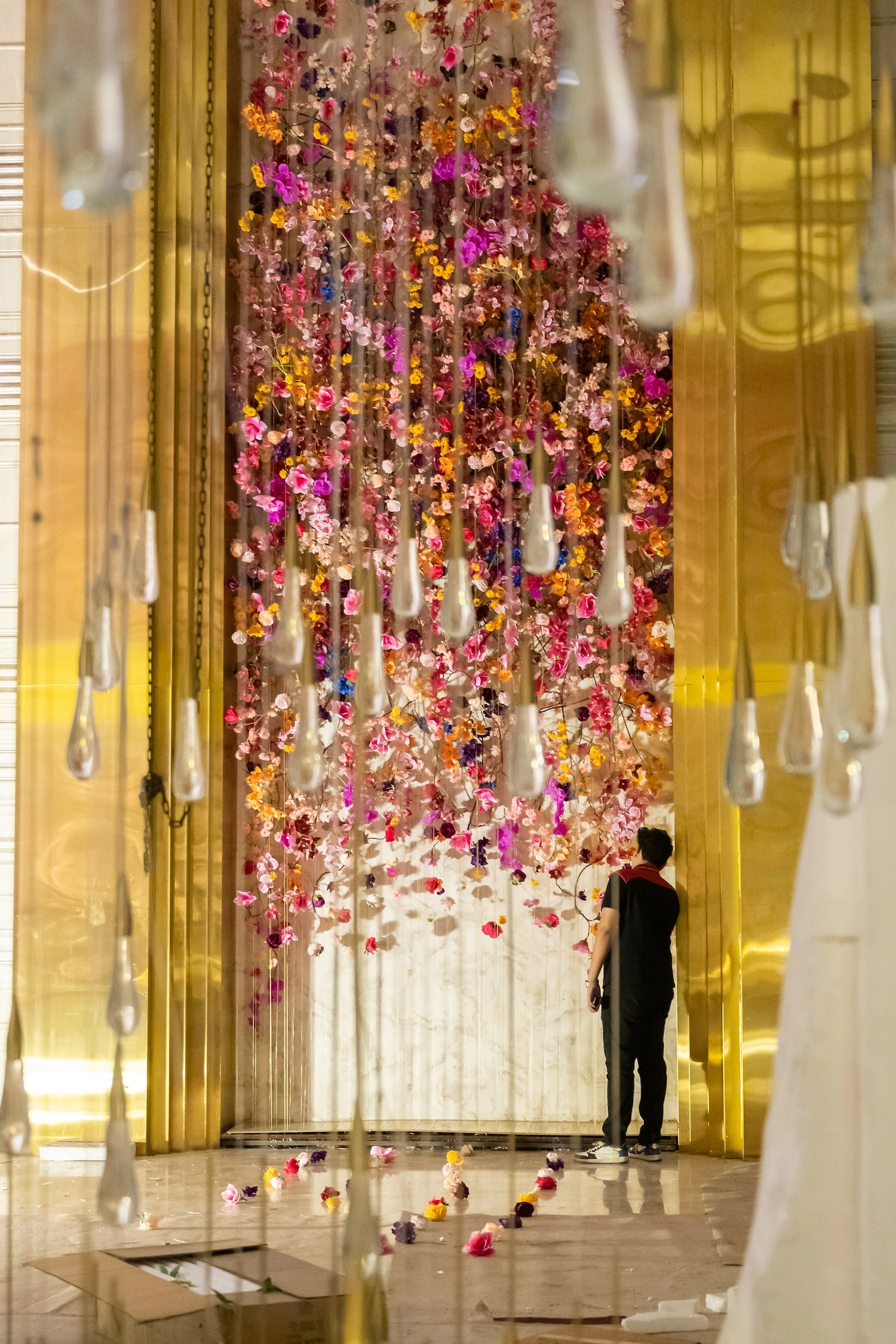
You often say that floral design goes far beyond flowers. What transforms a simple arrangement into a truly memorable experience?
Flowers are the material, but the experience is created through the relationship between intention, people, place and time.
A memorable creation begins with a clear understanding of why it exists. What should people feel? What should they notice? How should their perception of a space or moment change? Once that intention is clear, colour, scale, rhythm, fragrance, texture and movement become meaningful decisions rather than merely decorative choices.
A technically perfect arrangement can still be forgotten when its only purpose is to look beautiful. What remains with people is emotional coherence—the feeling that every detail belongs to one story and that the creation could not have existed in exactly the same way for another person or in another place.
This responsibility does not belong to the designer alone. A wholesaler who introduces an unexpected botanical variety, a shop owner who understands the story behind a customer’s request, or a florist who interprets the character of a space all contribute to the same emotional chain. The experience begins long before the final arrangement is created.
The secret is therefore not necessarily more flowers, but greater awareness. When floral design enters into dialogue with architecture, atmosphere and human behaviour, it stops decorating a space and begins shaping an experience. People may forget the individual flowers, but they will remember how that experience made them feel.
After more than twenty years working around the world as a floral designer, what major changes have you observed in clients’ expectations and in the way florists need to position themselves today?
The greatest change is not simply a change in taste; it is a change in how value is perceived.
Clients now have immediate access to thousands of references, trends and increasingly convincing AI-generated concepts. They arrive better informed, but also surrounded by an enormous amount of visual noise. They expect greater speed, personalization and transparency while still wanting something that feels original, meaningful and effortless.
Twenty years ago, a florist might receive a relatively defined request: a colour palette, a preferred flower or a particular type of arrangement. Today, clients increasingly expect a complete concept. They want a story, an atmosphere and a personal experience—and they often want to understand what it will look and feel like before the first flower arrives.
This evolution affects the entire floral industry. Florists need to position themselves as creative advisors rather than only as makers. Shop owners can become trusted curators who guide customers through quality, seasonality and meaningful choices. Wholesalers have an opportunity to move beyond distribution and become knowledge partners—introducing new materials, sharing expertise and helping their clients recognise possibilities they might otherwise overlook.
Craftsmanship remains the foundation, but craftsmanship alone is no longer enough to differentiate a business. Every floral professional must become better at communicating the value behind what they do. Why this flower? Why this technique? Why this combination—and how does it serve the person, occasion or experience?
The future belongs to those who can unite craftsmanship, knowledge, technology and human understanding. Creating value will no longer depend only on the product being offered, but increasingly on the insight, guidance and imagination surrounding it.
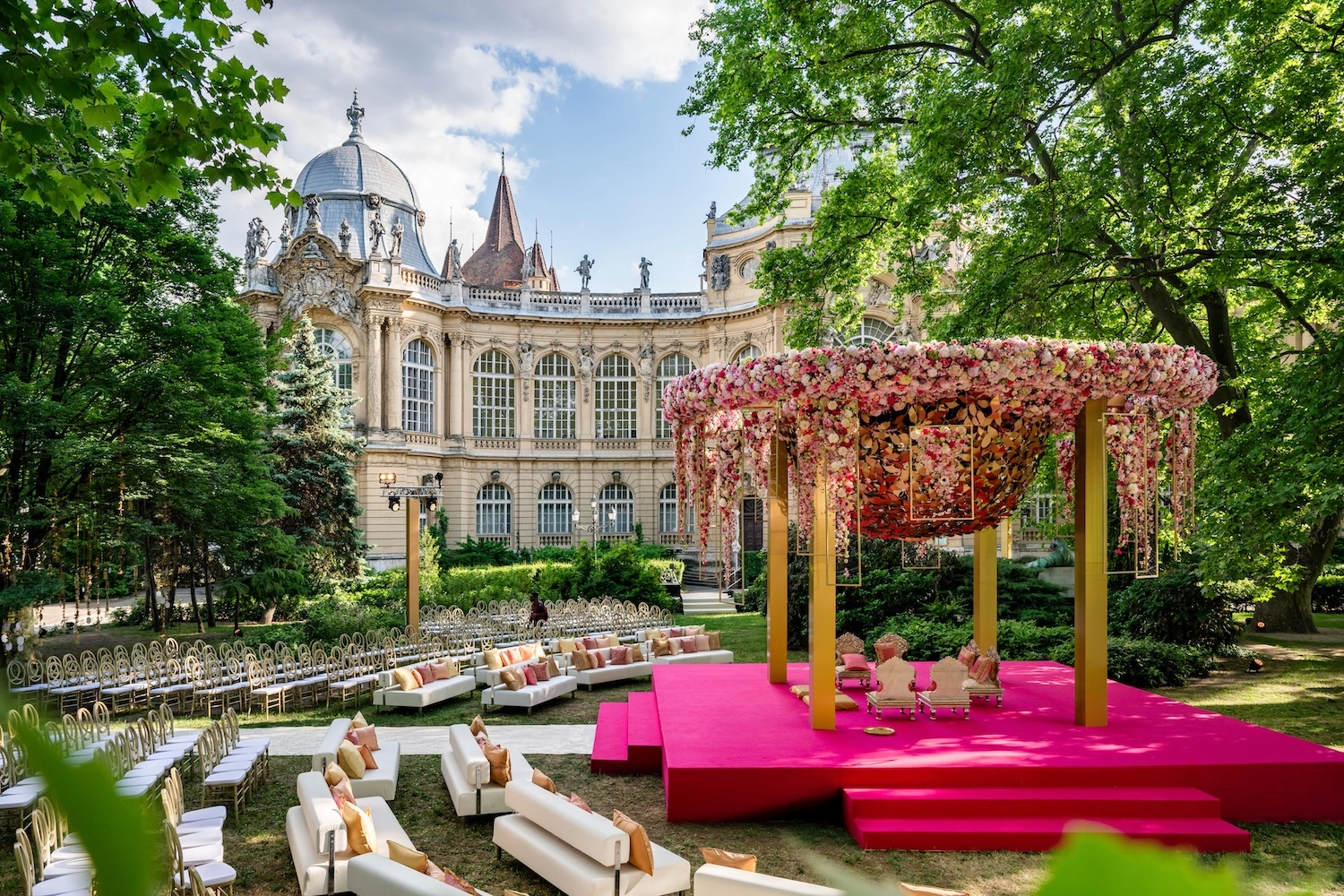
At a time when artificial intelligence is creating new creative opportunities, what do you believe will remain the unique and irreplaceable value of tomorrow’s florist?
Artificial intelligence can expand what we are able to imagine. It can accelerate research, generate alternatives, visualize ideas, improve communication and support many of the operational tasks within a floral business. For florists, shop owners and wholesalers, it can create more time, more clarity and new opportunities for growth.
But AI can generate one hundred beautiful possibilities without understanding which one truly matters.
The irreplaceable value of tomorrow’s floral professional will be the ability to choose with intention. For the florist, this means understanding the person behind the request and translating emotion into form. For the shop owner, it means building trust, recognising what a customer truly needs and turning a purchase into a meaningful encounter. For the wholesaler, it means combining product knowledge, seasonality, quality and market insight to help others make better creative and commercial decisions.
Flowers are not pixels. They respond to season, temperature, gravity, time and human touch. Working with them requires sensitivity, material intelligence, adaptability and respect for life. No algorithm can physically sense the tension of a stem, recognise the precise moment a flower is ready or fully understand the unspoken emotion behind a human occasion.
Tomorrow’s floral professionals should therefore not compete with AI in speed or quantity. The opportunity is to use its capabilities while strengthening the qualities technology cannot embody: empathy, discernment, intuition, presence, trust and human connection.
The strongest businesses will bring value not only through what they sell, but through what they notice, understand, decide and make possible.
AI may help us create more possibilities.
Human judgement gives those possibilities meaning.